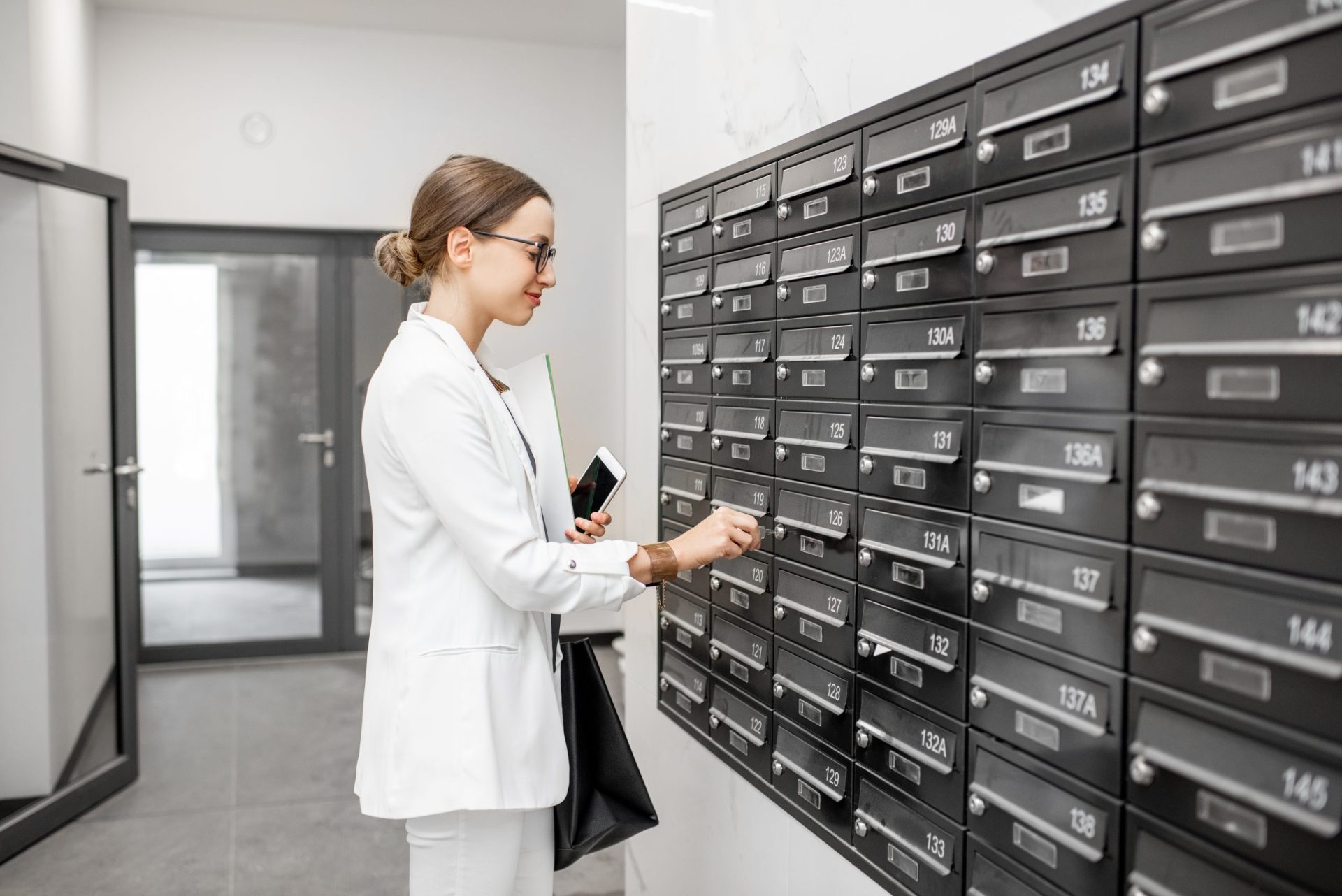

Mail forwarding services are one of the core features of a virtual office. They allow businesses to receive, manage, and redirect physical mail without needing to be present at a physical office location. This is especially useful for remote businesses, startups, and entrepreneurs who work from anywhere.
In simple terms, your mail arrives at a professional business address, and the service ensures it reaches you—wherever you are.
1. What Is Mail Forwarding in a Virtual Office?
Mail forwarding is a service where your business mail is:
- Received at a commercial office address
- Processed by the virtual office provider
- Forwarded to your chosen location
This means you can operate your business remotely while still having a stable and professional mailing address.
Many businesses use this with a virtual office setup instead of a traditional physical office in places like Illinois.
2. Step-by-Step: How Mail Forwarding Works
Step 1: You Get a Business Address
When you sign up for a virtual office, you are assigned a real commercial address in a business location (for example, Chicago or other major cities).
This address is used for:
- Business registration
- Banking and legal documents
- Customer communication
Step 2: Mail Is Received on Your Behalf
All incoming mail is delivered to the virtual office location, including:
- Government letters
- Bank statements
- Client correspondence
- Legal notices
Staff at the facility receive and log your mail securely.
Step 3: Mail Is Processed and Logged
Once received, your mail is:
- Sorted and recorded
- Assigned to your business account
- Stored securely
You are usually notified that new mail has arrived.
Step 4: You Choose What Happens Next
Most services let you decide how your mail is handled:
- Forward to your home or preferred address
- Scan and email digital copies
- Store securely for later pickup
- Discard junk mail (upon request)
Step 5: Mail Is Delivered to You
Depending on your choice, mail is:
- Physically shipped to your location
- Digitally sent via email or dashboard
- Held for pickup if needed
This makes it easy to stay connected no matter where you are in the world.
3. Types of Mail Forwarding Options
Regular Forwarding
Mail is sent to you on a schedule (weekly, monthly, etc.).
On-Demand Forwarding
You request forwarding only when needed.
Digital Mail Scanning
Mail is opened, scanned, and uploaded to your account.
International Forwarding
Mail can be sent across countries for global entrepreneurs.
4. Why Mail Forwarding Is Important for Virtual Offices
Mail forwarding is not just convenience—it’s a business necessity.
It helps you:
- Stay organized remotely
- Never miss important documents
- Maintain legal compliance
- Operate without a physical office
- Manage global business operations
5. Key Benefits for Entrepreneurs and Startups
1. Work From Anywhere
You don’t need to be tied to a fixed location to receive important business mail.
2. Professional Business Image
Using a commercial address improves credibility with clients and partners.
3. Better Organization
All your business mail is centralized and managed professionally.
4. Privacy Protection
Your personal address stays private and separate from business operations.
5. Legal Compliance
Ensures you receive time-sensitive legal and government documents.
6. Common Use Cases
Mail forwarding is widely used by:
- Remote startups
- Freelancers and consultants
- E-commerce businesses
- International companies entering the U.S. market
- Digital agencies and online businesses
It is especially useful for businesses registered in major hubs like Chicago or other U.S. cities.
7. Things to Consider Before Choosing a Service
Before selecting a virtual office mail forwarding service, check:
- Speed of forwarding
- Scanning quality and turnaround time
- Security and privacy policies
- International shipping options
- Pricing structure (per mail or subscription)
Final Thoughts
Mail forwarding services are a critical part of modern virtual offices. They allow businesses to stay connected, organized, and professional—without being tied to a physical location.
By combining a virtual business address with reliable mail forwarding, you can:
- Run your business from anywhere
- Maintain a professional image
- Stay compliant with legal requirements
- Handle mail efficiently and securely
It’s a simple system that supports one powerful idea: your business should move with you—not the other way around.